Embrizo

Start an embroidery business

Ten short lessons that take you from a machine at home to paying customers: picking a niche, pricing for profit, designs you're allowed to sell, taking custom orders, selling online and locally, and keeping customers coming back. Each one has the essentials, guides and a free tool to practice with.

  • 10 short lessons
  • Free business tools
  • Progress saved as you go
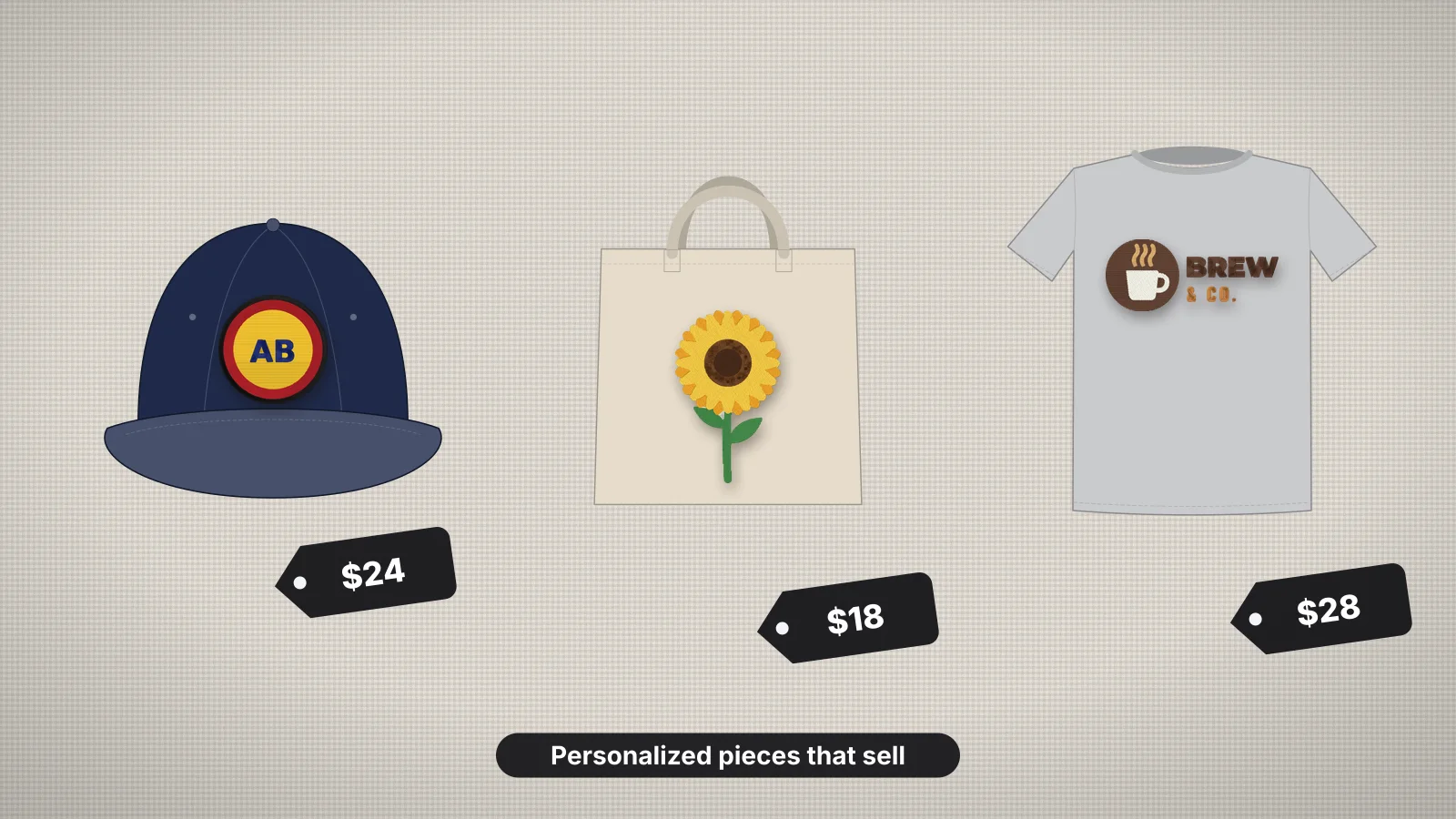
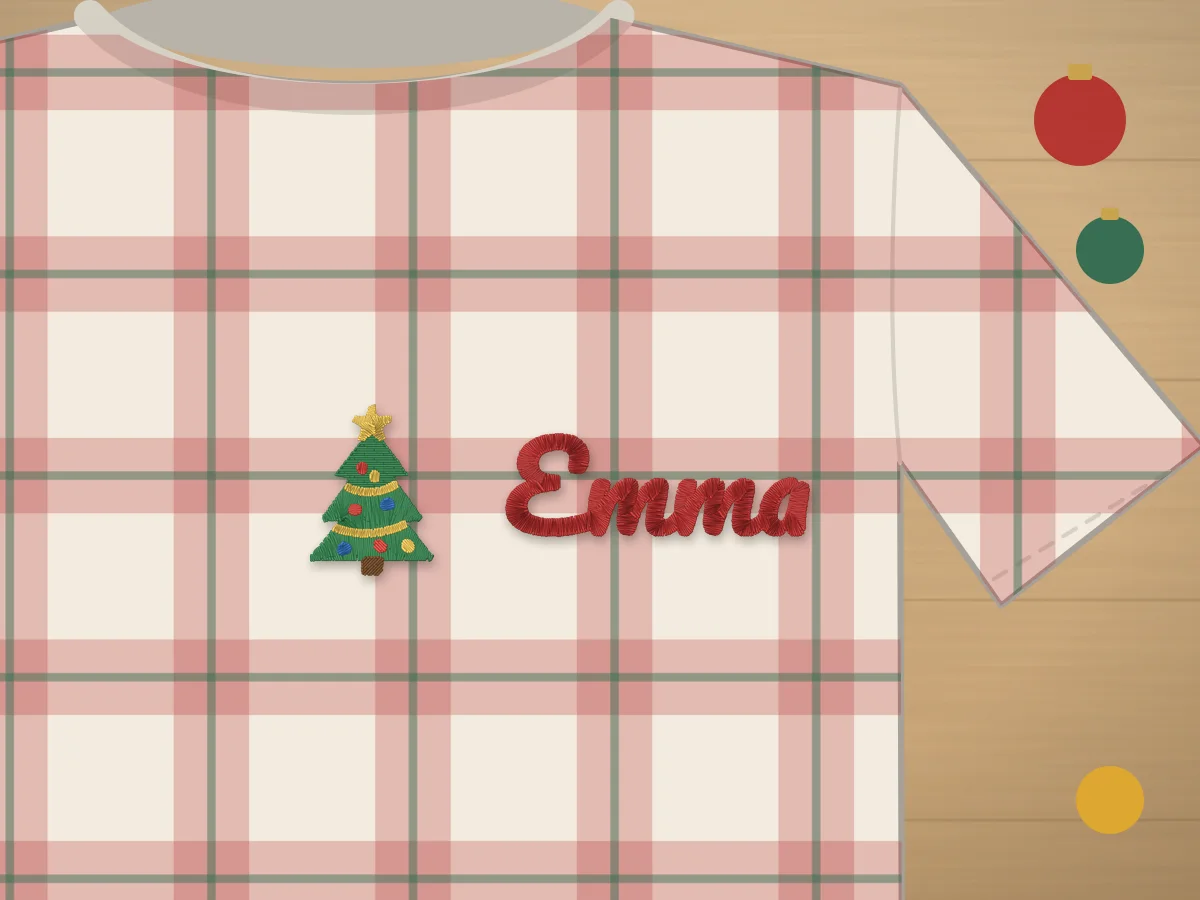
A cap, a tote bag and a shirt with stitched logos and price tags
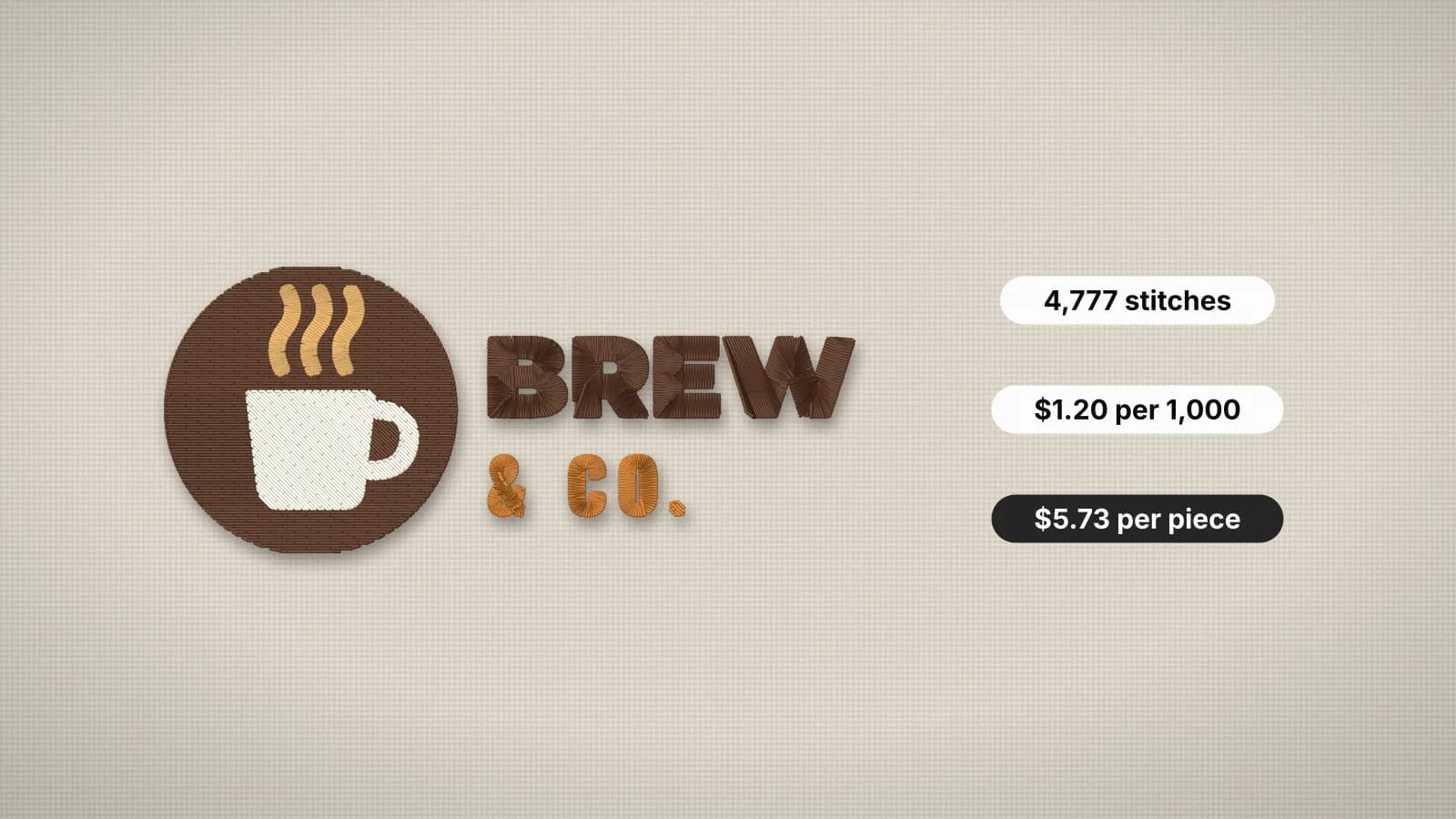
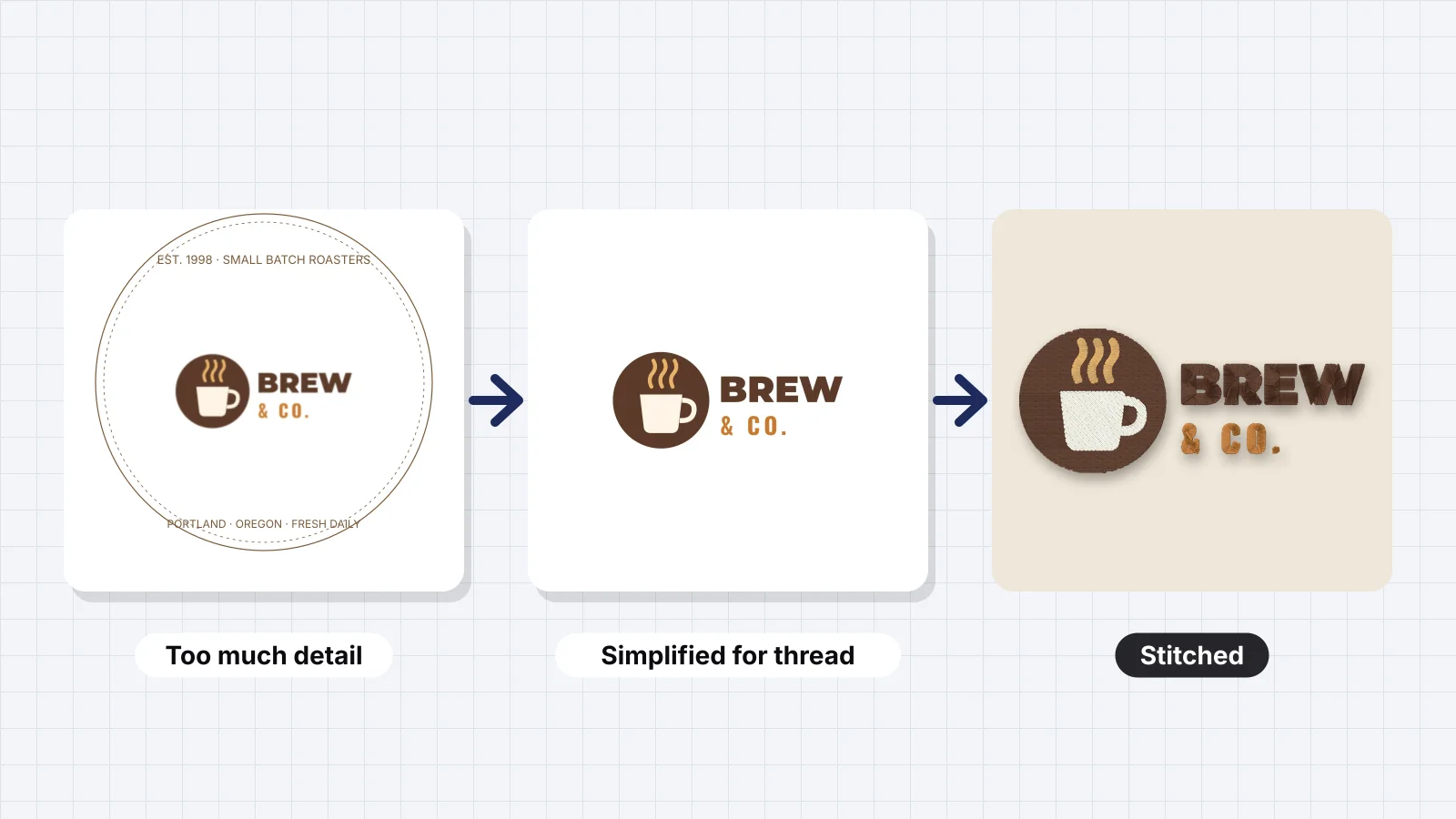
A stitched coffee shop logo on fabric with labels for its stitch count, rate per 1,000 stitches and price per piece
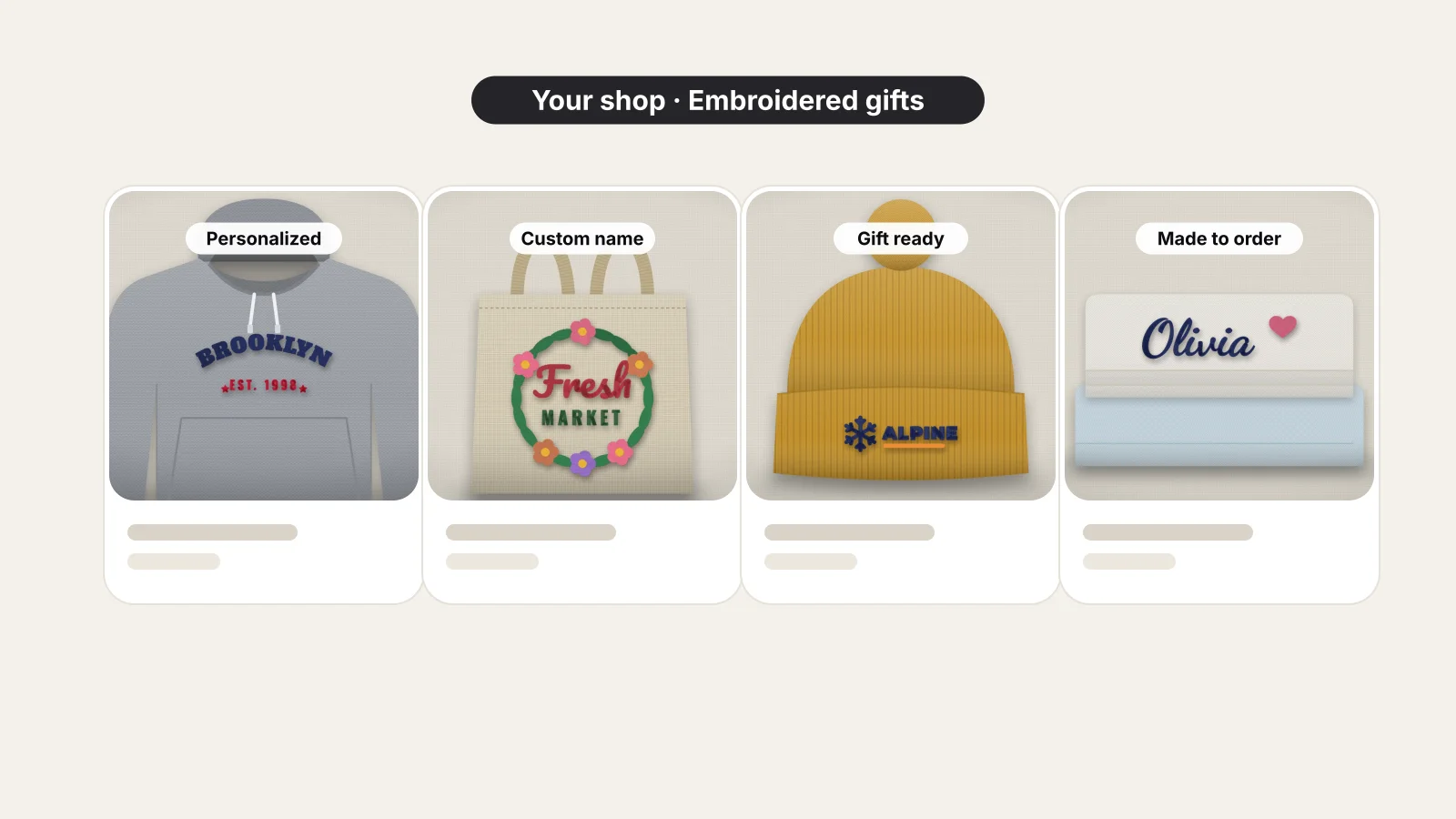
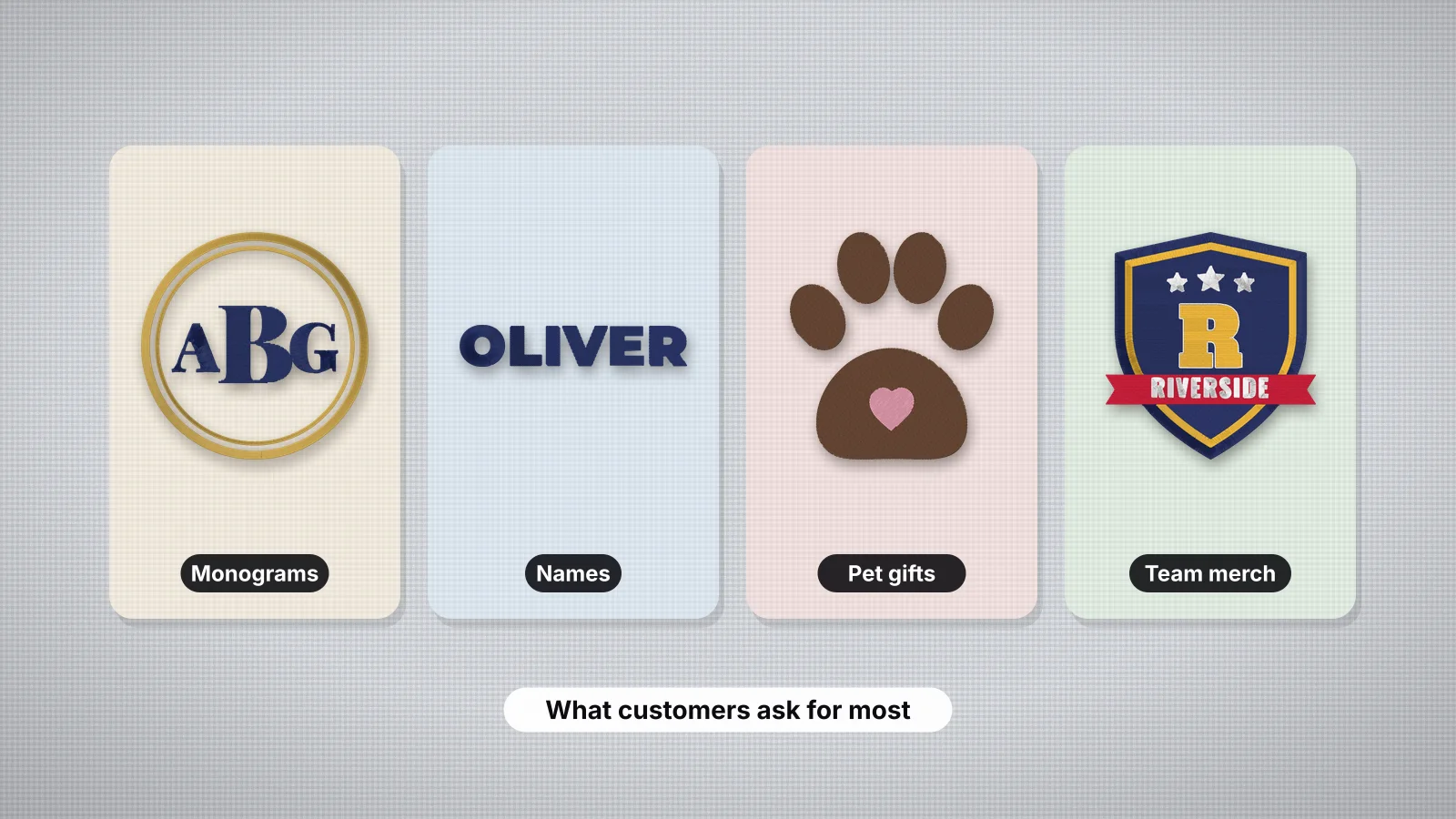
A grid of embroidered products, including tote bags, towels, caps and patches
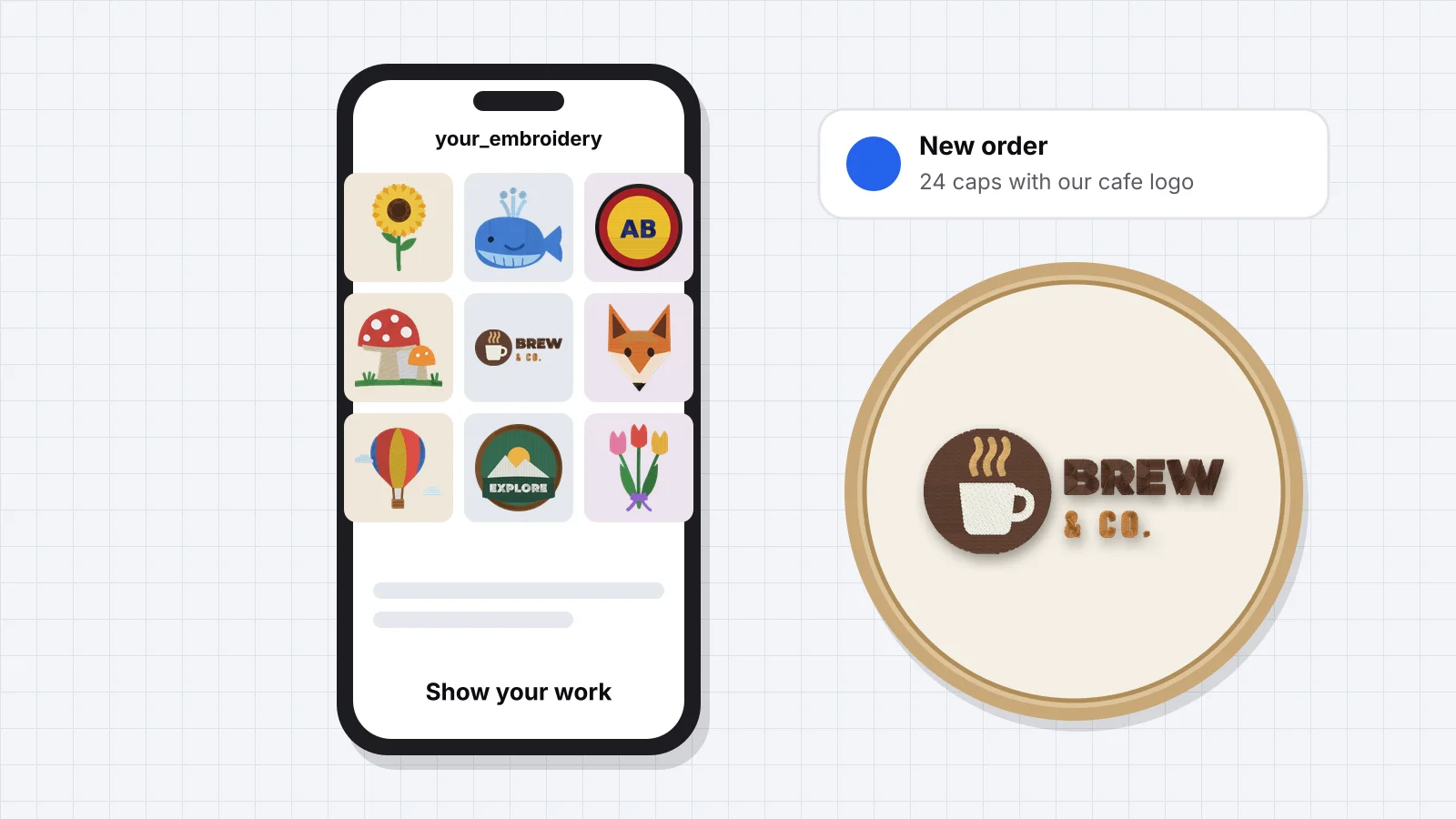
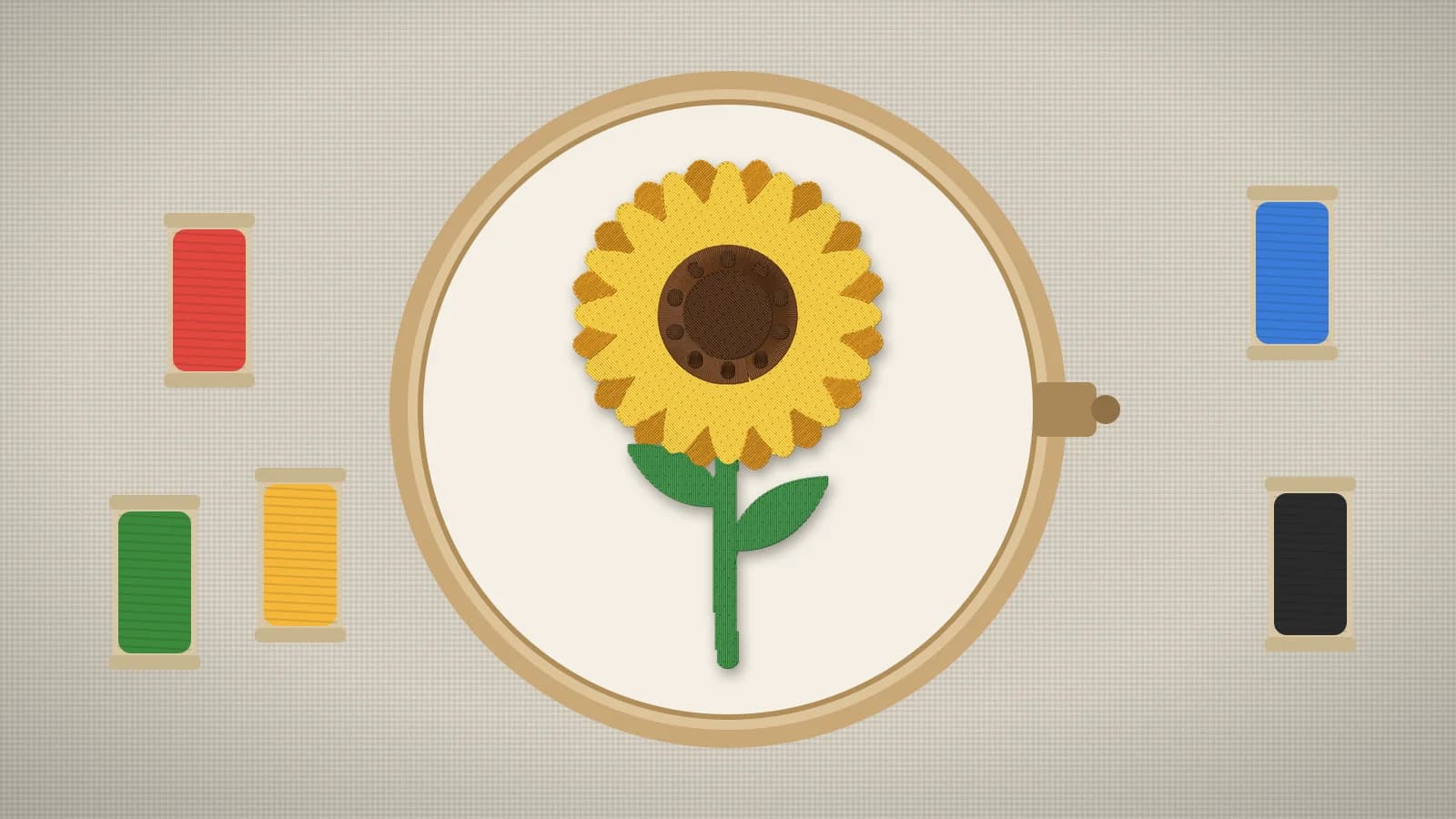
A phone showing a grid of embroidered products beside a stitched logo
10 lessonsabout 3 hoursFree
Syllabus

What you'll learn

Each lesson takes 10 to 20 minutes: what to do first, guides if you want more, then a free tool to put it into practice. Tick a lesson off when you're done.

Your progress is saved in this browser.

  1. 1Pick a niche and your first products15 min
  2. 2Machine, supplies and blanks15 min
  3. 3Name and brand your shop15 min
  4. 4Price your work for profit20 min
  5. 5Designs you're allowed to sell15 min
  6. 6Take custom orders without mistakes15 min
  7. 7Sell online20 min
  8. 8Find local customers15 min
  9. 9Produce orders efficiently15 min
  10. 10Keep customers coming back10 min
Lesson 115 min

Pick a niche and your first products

Choose who you'll sell to and the first few products to offer.

  • Start narrow: personalized gifts, team and school wear, logo wear for local businesses, patches or holiday items each have their own customers and busy seasons.
  • Pick three to five products you can make well and photograph well before you add more.
  • Check demand by searching Etsy and local Facebook groups for what people already buy, and at what price.
Lesson 215 min

Machine, supplies and blanks

Set up with the right machine, a core kit of supplies and blanks to sell.

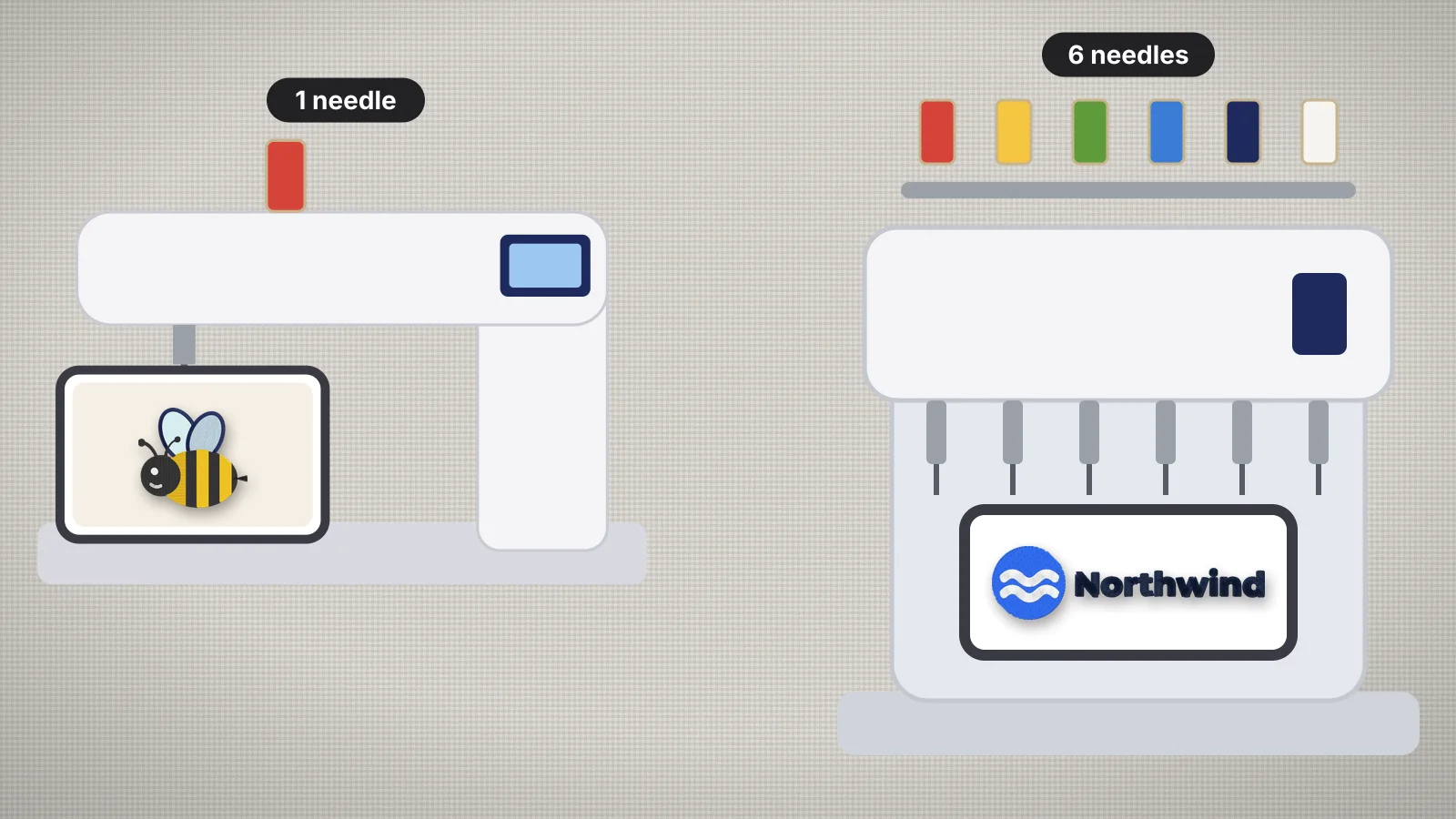
  • A single-needle machine is enough for gifts, names and small orders; a multi-needle machine pays off once caps, workwear or team orders take off.
  • Keep a core kit: polyester thread in the colors you use most, cut-away and tear-away stabilizer, water-soluble topping, needles and pre-wound bobbins.
  • Buy blanks from wholesale suppliers in the sizes and colors you sell most, plus a few spares for mistakes.
Lesson 315 min

Name and brand your shop

Choose a name and a simple logo you can use everywhere, including on thread.

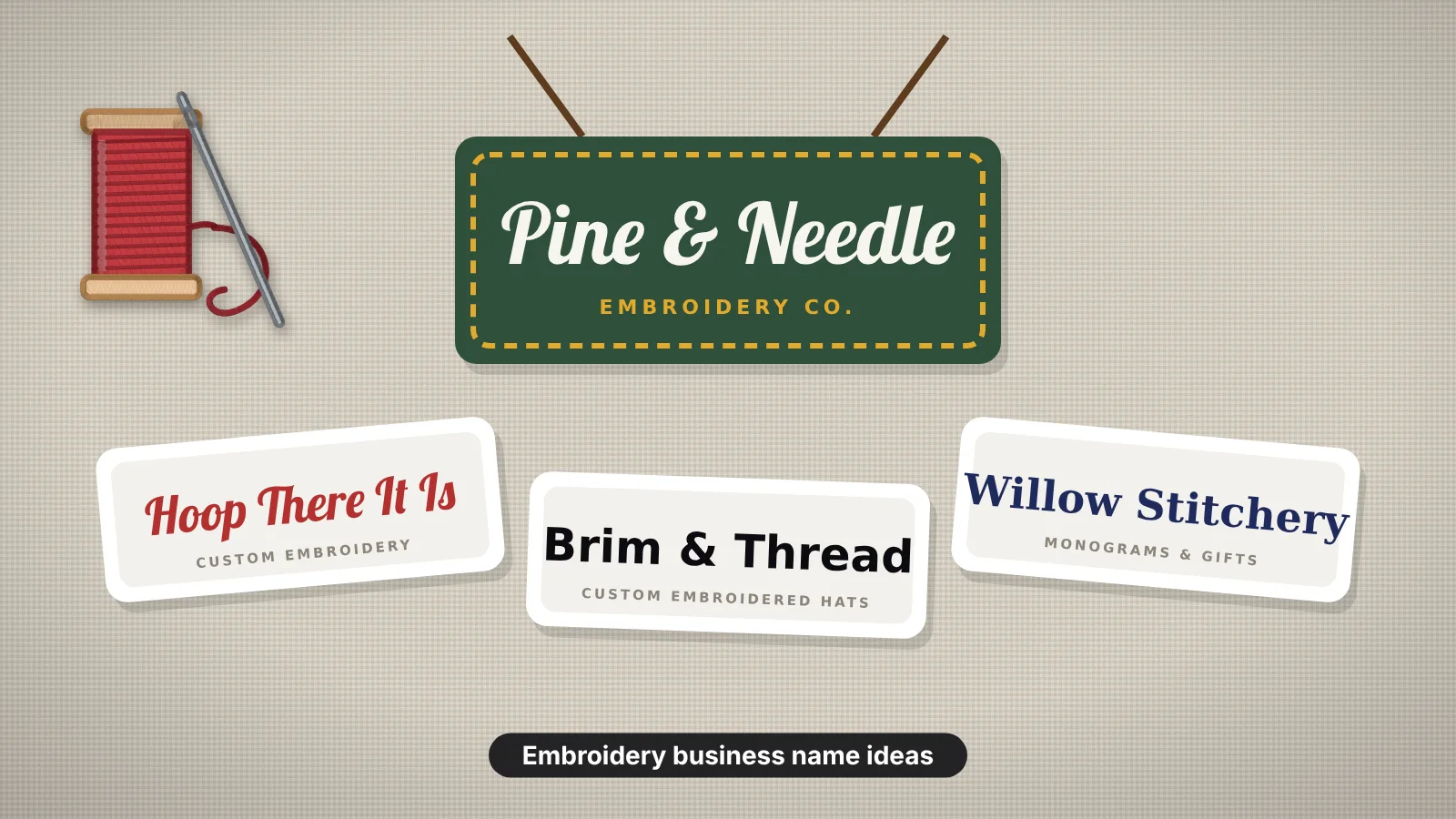
  • Pick a name that's easy to spell and say, and check it's free as a domain, on Etsy and on social media.
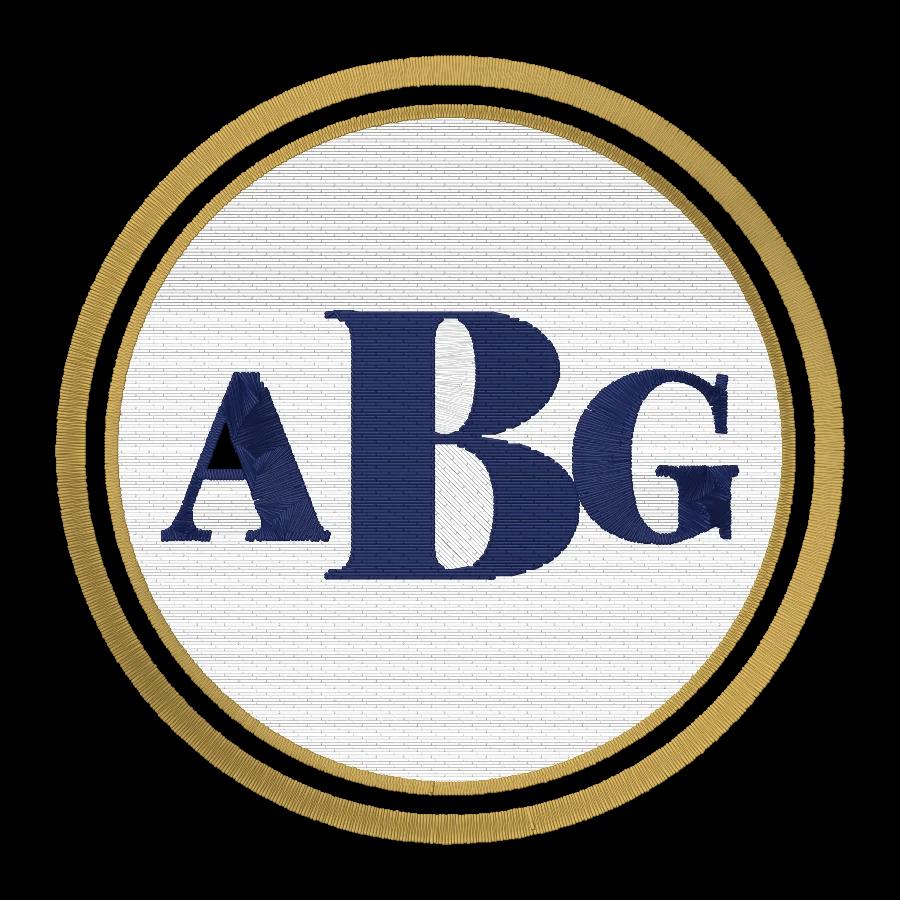
  • A simple logo with two or three colors works stitched on a polo or cap, on labels and on your packaging.
  • Use the same name, colors and photo style everywhere so customers recognize you.
Lesson 420 min

Price your work for profit

Price every job so it covers the blank, the materials and your time.

  • Price in two parts: a one-time setup or digitizing fee per new design, and a per-piece price from the stitch count.
  • Many shops land around $0.75–$1.50 per 1,000 stitches with a minimum per piece, and mark blanks up about 30–50%.
  • Keep a written price list for common items so you can quote fast and stay consistent.
Lesson 515 min

Designs you're allowed to sell

Know which designs you can stitch on products you sell, and make your own.

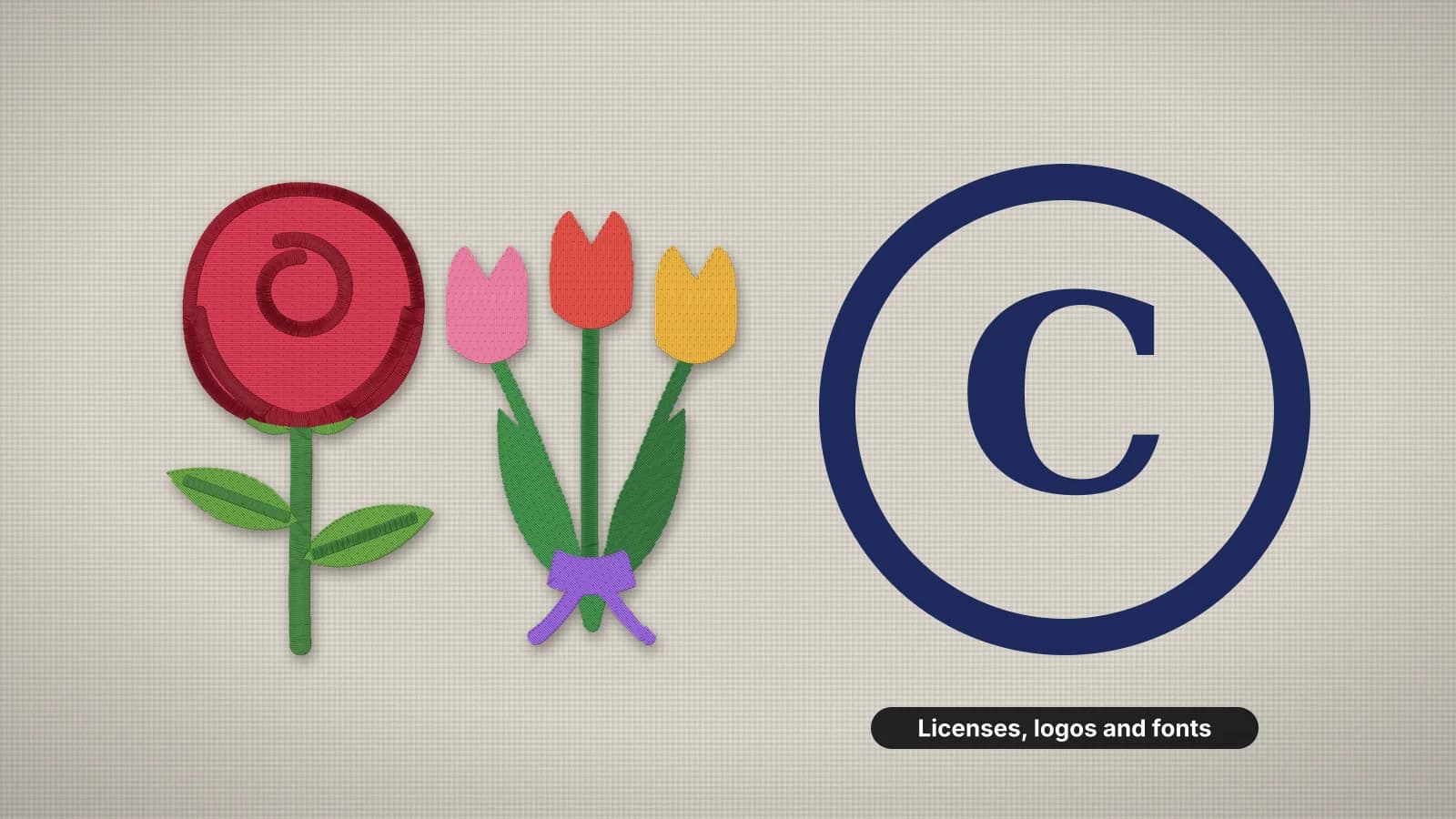
  • Only stitch logos, characters and artwork you have the right to use: your own, a customer's own logo, or licensed designs.
  • Check the license of every design you buy or download; free designs on Embrizo can be stitched on items you sell.
  • Digitizing customers' logos yourself saves days of turnaround and keeps the digitizing fee in your pocket.

Free account

Halfway there: set up your shop's digitizer

Create a free account to download free designs you can sell on, and to turn customers' logos into stitch files the same day.

  • Digitize and preview any image
  • Realistic stitch preview and sew-out
  • Download free ready-made designs
  • No credit card needed
Lesson 615 min

Take custom orders without mistakes

Collect every detail of a custom order and get it approved before you stitch.

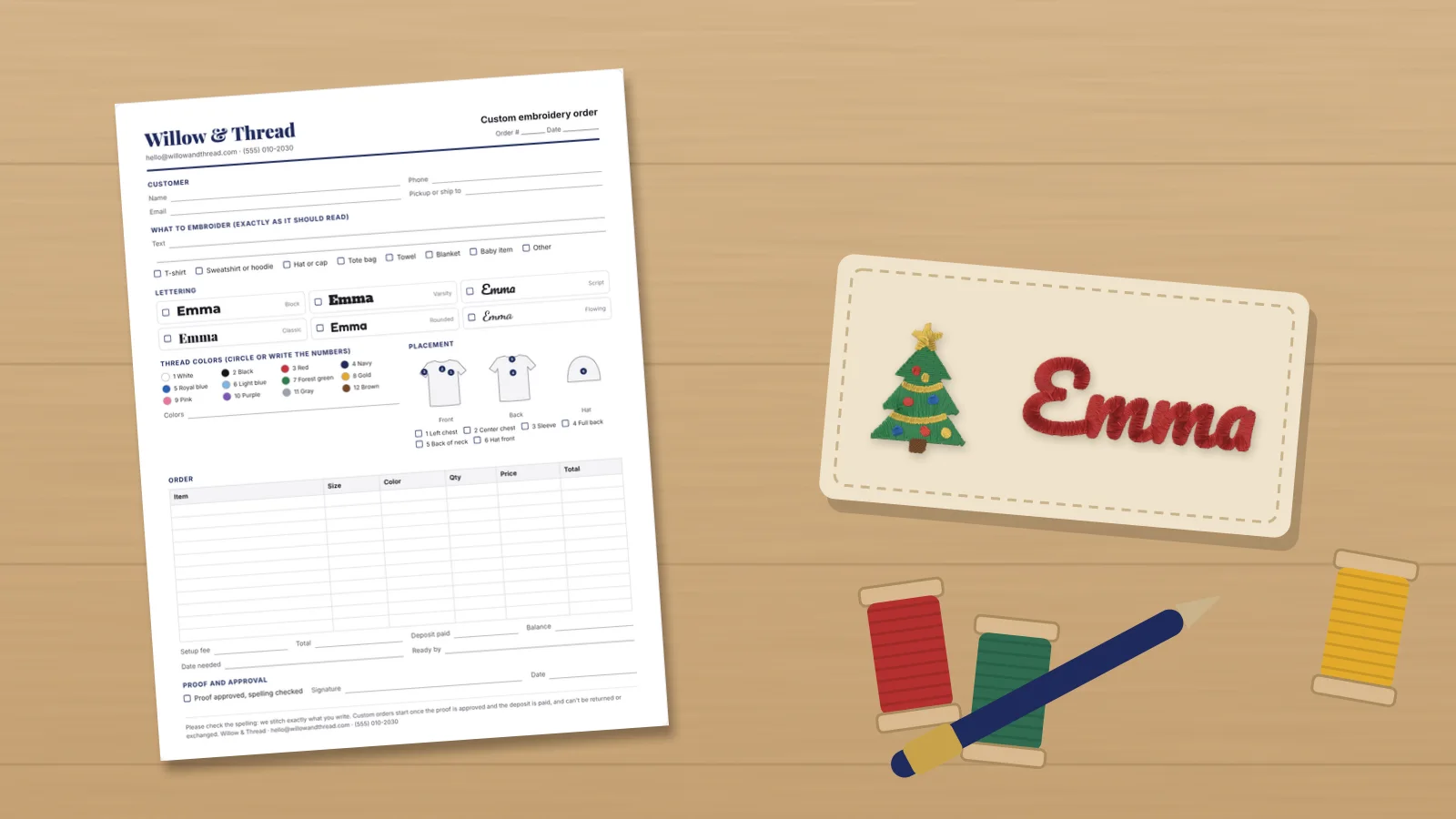
  • Use an order form that collects the exact text, lettering, thread colors, size, placement and due date.
  • Send a proof, a mockup with the spelling, and get it approved in writing before you stitch.
  • Take a deposit on custom work and set clear order cut-offs for holidays.
Lesson 720 min

Sell online

List your products where buyers already shop, with photos that sell.

  • Etsy is the easiest place to start for personalized items; your own shop site makes sense once you have repeat customers.
  • Photos sell: shoot in daylight, show the item worn or in use, and add a close-up of the stitches.
  • Lead each title with what the item is, use all 13 tags, and say embroidered, not printed.
  • Mockups let you list a design in every color before you stitch a sample.
Lesson 815 min

Find local customers

Win bulk orders from businesses, teams and schools near you.

  • Bring a local business owner their own logo stitched on a polo, with prices for 12 and 24 pieces.
  • Contact teams, schools and clubs before their seasons, and sell gifts with on-the-spot personalization at craft fairs, with a printed price list on the table.
  • Set up a free Google Business Profile with photos, and ask happy customers for reviews and referrals.
Lesson 915 min

Produce orders efficiently

Stitch orders faster and make every piece match.

  • Batch similar items: same thread colors, same hoop and same stabilizer, one after another.
  • Print a run sheet with the color order, size and placement, so a reorder months later matches.
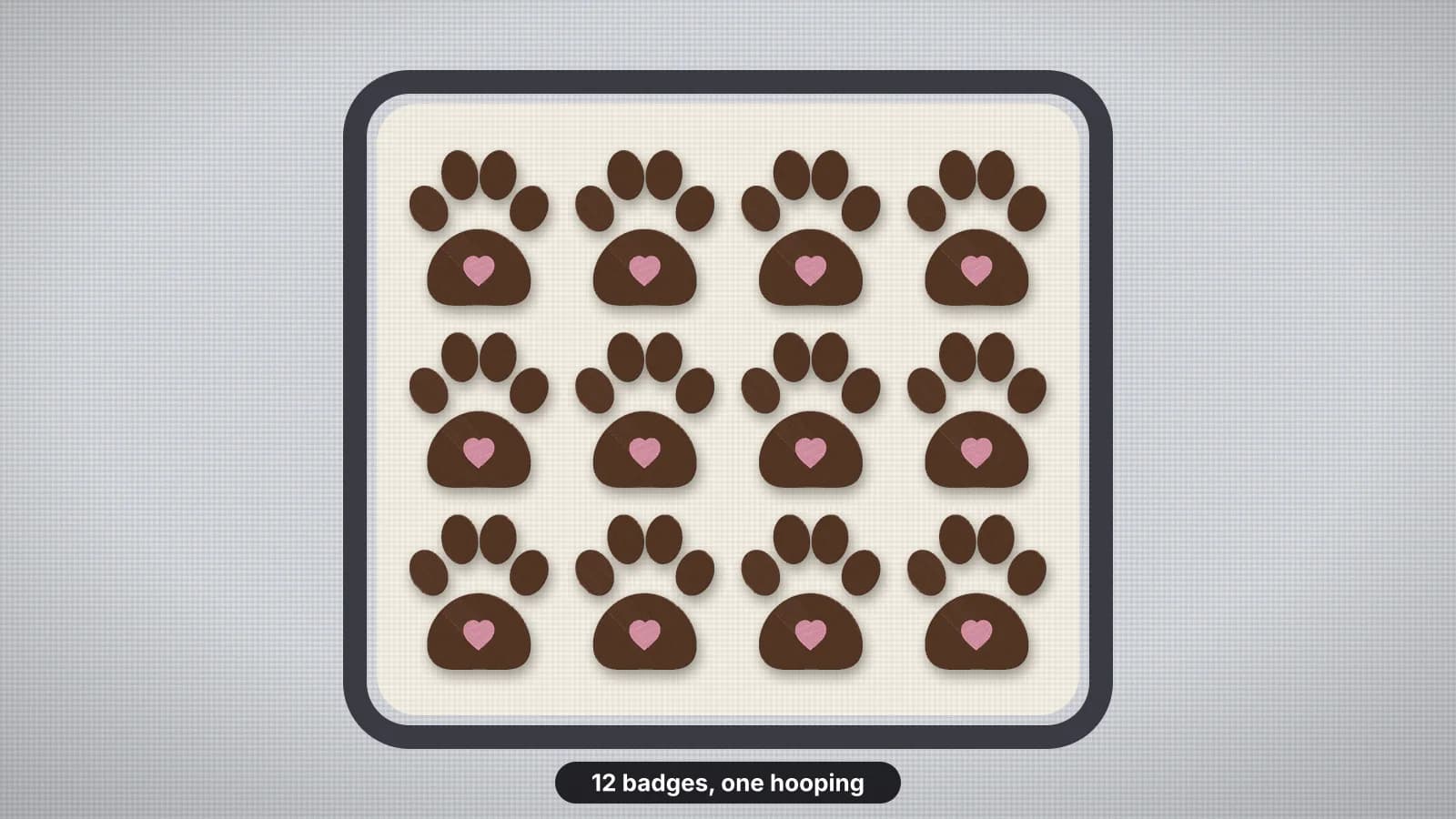
  • Stitch several small items in one hoop, and check each file before a long run.
After the course

Tools for your shop

Designs to sell, a logo maker for local businesses and the basics, all free to start.

FAQ

Starting an embroidery business: questions

The quickest way to see what it does with your artwork is to try it. With a free account, digitizing and previewing cost nothing and take about a minute.

How do I start an embroidery business from home?

Pick a niche and three to five products, get a machine and a core kit of supplies, price every job from its stitch count with a setup fee and a minimum, then sell on Etsy and to local businesses, teams and schools. The ten lessons on this page walk through each step.

How much does it cost to start an embroidery business?

The machine is the biggest cost: a single-needle home machine runs from a few hundred dollars to several thousand, and a multi-needle machine often roughly $5,000–$15,000 or more. Blanks, thread, stabilizer and hoops typically add a few hundred dollars to start.

Is an embroidery business profitable?

It can be. The margin is good on small personalized jobs and repeat logo orders, often several dollars to $15 or more per piece before your time. Profit depends on charging for your time, keeping blanks affordable and winning repeat customers.

Do I need to learn to digitize?

Not for most work. Automatic digitizing handles clean logos, lettering, patches and drawings, and a digitizing service can take the hard ones. It still helps to understand satin, fill, underlay and stabilizer, so you can spot a file that won't sew well.

Is this embroidery business course free?

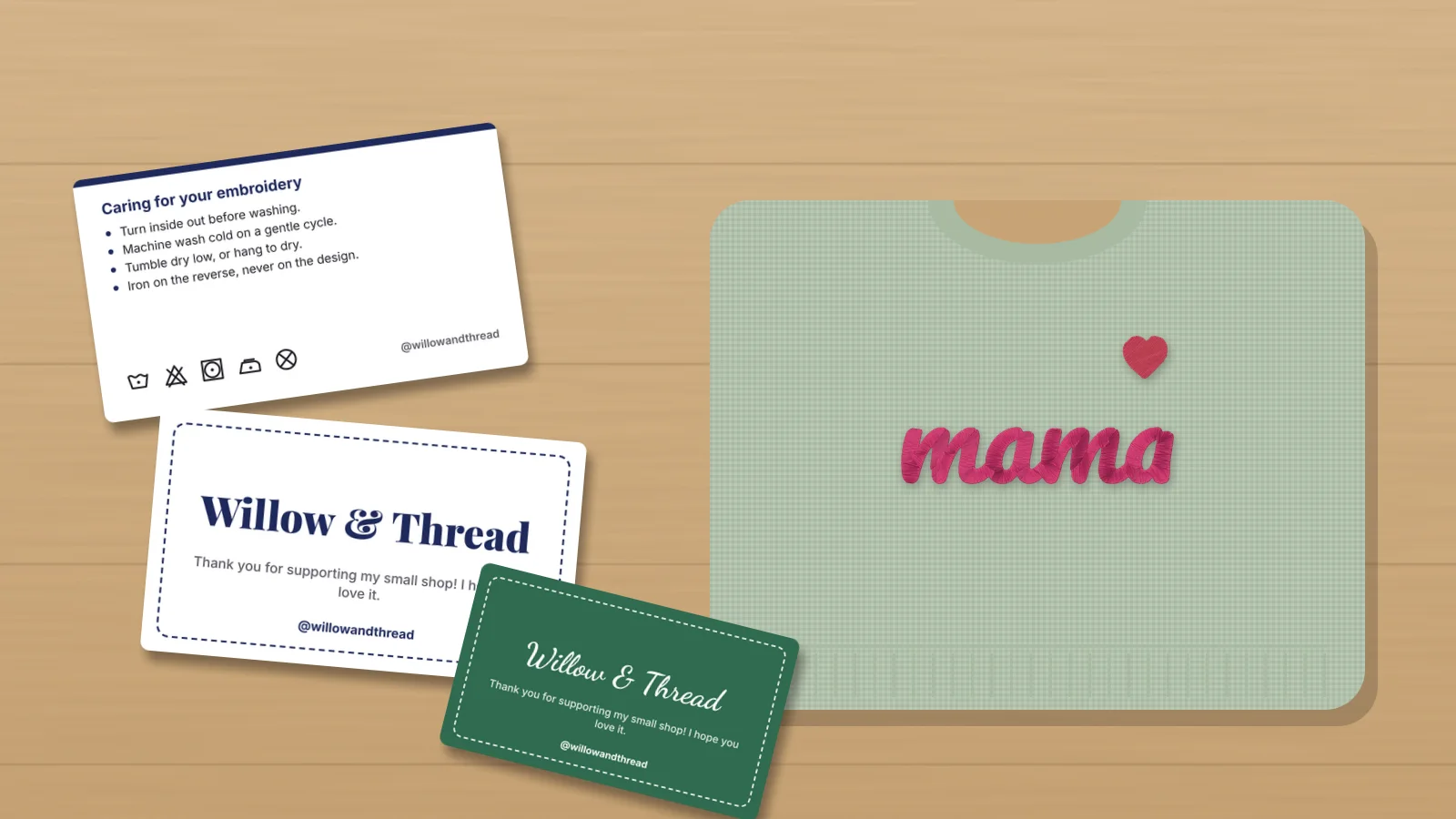
Yes. Every lesson and guide is free, and so are the business tools: the pricing calculator, quote generator, order forms, care cards and name generator. Saving files you digitize needs a plan.

Turn customers' logos into stitch files

Upload a logo and see every stitch in under a minute, then save DST, PES, JEF or the format your machine reads.